 >
>
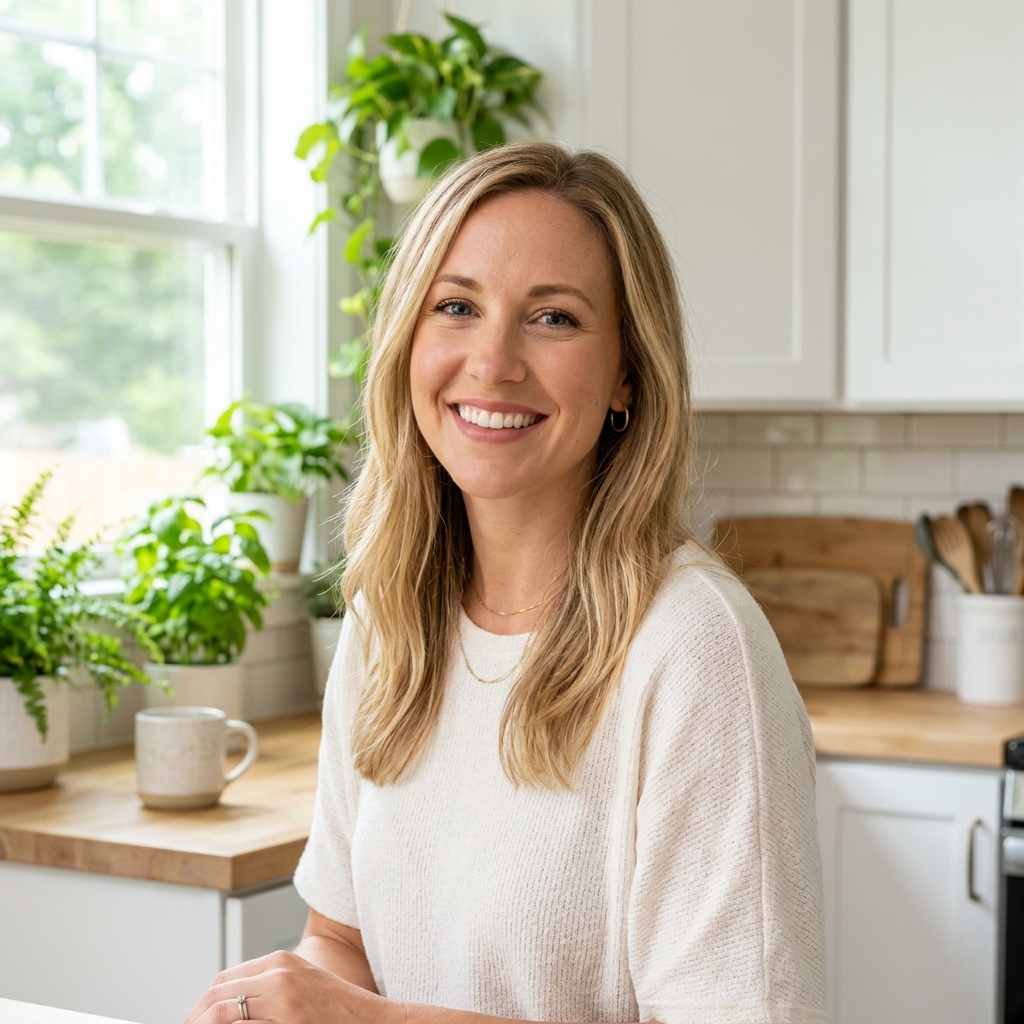
Lily Thomas
Keto Food Blogger, Home Cook, and Wellness Advocate
Hello! I'm Lily Thomas (known online as SlimChefSpot), the primary editor, recipe designer, and analytical mind behind SlimChefSpot. With over five years of dedicated experience in ketogenic meal planning, healthy home cooking, and diet tracking, my goal is to translate complex biological calculators into real, practical food solutions that you can prepare easily in your kitchen.
I hold a Master of Arts (M.A.) degree from the University of Florida, where I refined my training in research methodology, analytical reasoning, and data analysis. While my formal academic background began in the humanities and social research, my research skills quickly found a new application: deconstructing the confusing and often contradictory science of nutrition, macronutrients, and metabolism.

Norman Hall at the University of Florida, where Lily completed her graduate studies.
Connect with Lily
Follow SlimChefSpot's official social media profiles for recipes, low-carb guides, and meal planning inspiration:
My Journey to the Ketogenic Diet
Like many people, my interest in diet science began out of personal necessity. Five years ago, I found myself struggling with brain fog, energy crashes, and fluctuating physical weight. Despite following standard low-fat diet advice, my energy remained volatile, and meal prep felt like a chore rather than an enjoyment.
Determined to find a better system, I began reading clinical research on low-carb metabolic pathways. I transitioned to a clean ketogenic lifestyle—prioritizing whole food fats, lean bioavailable proteins, and fibrous green vegetables. The results were transformative: my mental clarity returned, my daily energy stabilized, and my relationship with cooking changed forever. I realized that food wasn't just a restriction; it was fuel, and when calculated properly, it could taste incredible.
Combining Research with Home Cooking
With my M.A. research background from the University of Florida, I began auditing standard fitness calculators online. I noticed a frustrating trend: many calculators used incorrect equations, hidden formulas, or forced users to pay to see their simple macro targets. Even worse, many sites gave people numbers but left them completely helpless when it came to making actual meals.
I created SlimChefSpot to solve both problems. Here, we provide:
- Precise, scientific calculations: We use peer-reviewed standards like the Mifflin-St Jeor equation to make sure your metrics are mathematically sound.
- Kitchen-focused guidance: Every calculation target is contextualized with real culinary advice, helping you convert fat, protein, and net carb targets into practical groceries.
- Whole-food recipes: My kitchen philosophy rejects processed "keto-branded" treats. Instead, I focus on using raw ingredients like olive oils, avocados, leafy greens, wild-caught fish, and high-quality meats to create sustainable lifestyle habits.
My Kitchen Principles
When I develop meal plans or write guides for SlimChefSpot, I adhere to three strict principles:
1. Simplicity First
Most home cooks do not have hours to spend on complicated kitchen prep. All my recipe models and plans focus on 30-minute meals, common grocery items, and accessible tools.
2. Uncompromising Taste
If a diet feels like punishment, it will not last. I focus on using herbs, high-quality fats, acids, and spices to make sure low-carb meals are just as satisfying as their high-carb counterparts.
3. Absolute Measurement
In baking and macro calculation, accuracy is essential. I test every recipe with a digital kitchen scale and nutrient calculators to ensure that what you see on the screen matches what ends up on your plate.
Frequently Asked Questions
I completed my Master of Arts (M.A.) at the University of Florida, focusing on research methods, structural analysis, and documentation. I have applied these analytical standards directly to reviewing scientific literature on low-carb metabolic pathways and energy balances.
Every meal outline and recipe guideline on our site undergoes hands-on testing in my kitchen. I track the precise weight of each ingredient in grams, calculate the net carb values, and adjust ratios to make sure the foods are easy to prepare and taste delicious.
I believe in a whole-foods-first approach. While certain basic nutrients or electrolytes (like sodium, potassium, and magnesium) are crucial during keto adaptation, most of your macronutrients should come from high-quality, whole food sources like fresh meat, poultry, fish, eggs, healthy oils, and low-carb vegetables.